

Are Soy Wax Melts Safe for Cats? A Practical Safety Guide
Last Updated: November 24, 2026
Quick Summary
Soy wax melts are generally considered low-risk for cats when the wax itself is plain soy, but the fragrance added to them is the part that needs real attention. The wax base is vegetable-based and melts at a low temperature, so it is not the main concern. The fragrance oils, essential oils and any added dyes are where cat safety questions actually live.
- Cats process many fragrance compounds differently than people and dogs do, so scented melts deserve a closer look.
- Essential oils in concentrated form, especially tea tree, eucalyptus, citrus, peppermint and pine, warrant caution around cats.
- Place the warmer above cat height and keep the room ventilated to reduce exposure.
- Run warmers in sessions of a few hours rather than all day, and never confine a cat with an active warmer.
- If a cat eats wax, call your vet or a pet poison service right away and do not induce vomiting unless told to.
Table of Contents
- Are soy wax melts safe for cats?
- Wax melt ingredients toxic to cats
- How to use wax melts around cats
- Signs of fragrance irritation in cats
- What to do if a cat eats wax
- Choosing soy wax melts for a cat-friendly home
- Shopping for cat-safe wax melts at Ruby Creek Wax Co.
- Frequently Asked Questions
Are soy wax melts safe for cats?
Soy wax melts are generally considered low-risk for cats when the wax itself is plain soy, but the fragrance added to them is the part that needs real attention. The wax base is vegetable-based and melts at a low temperature, so it is not the main concern. The fragrance oils, essential oils and any added dyes are where cat safety questions actually live.
That distinction matters more than most pet-safety articles admit. A soy wax melt is not automatically safe just because it is soy, and it is not automatically dangerous just because it is scented. The answer sits in the middle, and it depends on three things: what is in the melt, where the warmer sits, and how much air moves through the room.
At Ruby Creek Wax Co., we make handcrafted wax melts and nothing else. Here is an honest overview of what matters when choosing wax melts for a cat household.
Wax melt ingredients toxic to cats
Cats process fragrance compounds differently than humans do, and that difference is the whole reason scented wax melts deserve a second look in a cat household.
A soy wax melt is a scented wax product made from soy-based wax, fragrance, and sometimes dye, melted in a warmer to release scent. The wax is the carrier. The scent is the active part.
Ingredients and scent families that warrant caution around cats include:
- Essential oils in concentrated form, especially tea tree, eucalyptus, citrus, peppermint and pine. These are the ones most often flagged in cat-safety discussions, and the concern is concentration rather than the mere presence of a plant name.
- Unknown "fragrance" or "parfum" blends with no ingredient disclosure. You cannot assess what you cannot see, and an undisclosed blend is an unknown dose by definition.
- Strong floral and food-based scents in high concentration. Vanilla and baked-good notes are popular, but intensity matters more than the note itself.
- Added dyes and synthetic musks, which add no scent value and only add exposure.
The Canadian Veterinary Medical Association and Pet Poison Helpline both maintain guidance on household fragrance and essential oil exposure.
Dose and concentration matter here. A lightly scented melt in a large, airy room is a different situation from a heavy melt in a sealed bedroom with the door shut.
Label reading is where this becomes practical. A short, disclosed ingredient list tells you more than any "pet-safe" badge, because the badge is a marketing claim and the list is a fact.
A melt labelled "natural" is not automatically safer for a cat, because some commonly flagged essential oils are natural. Natural describes the source, not the risk.
How to use wax melts around cats
Using wax melts around cats safely comes down to placement, airflow and timing, not to the melt alone. Get those three right and the risk drops considerably.
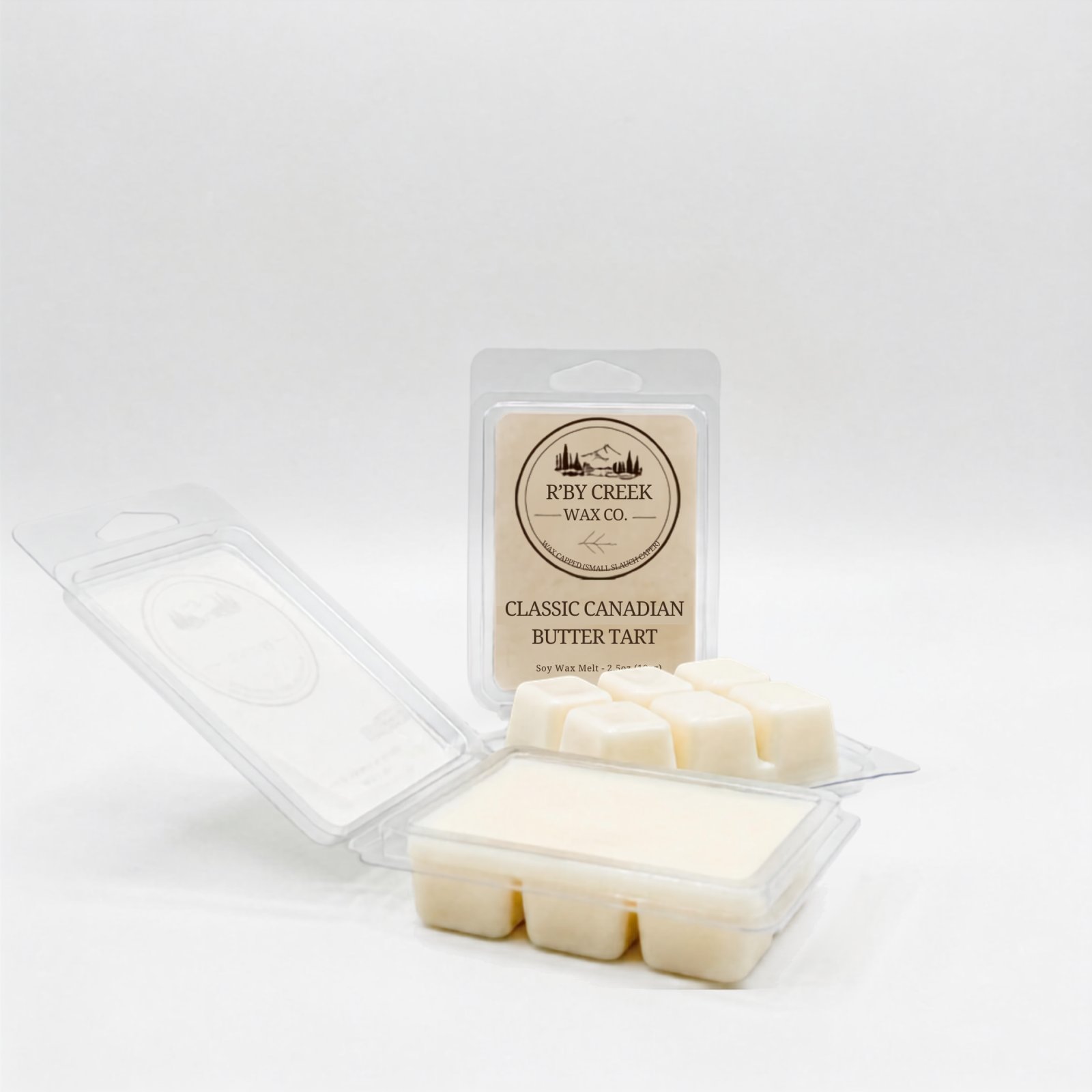
Follow these precautions:
- Put the warmer above cat height. A shelf, a high dresser, a wall-mounted unit. Curious paws and hot wax do not mix.
- Keep the room ventilated. Crack a window or run a fan on low. A well-ventilated room clears airborne fragrance far faster than a sealed one.
- Match melt size to room size. One melt in a large open living area is reasonable. The same melt in a small bedroom is a much higher concentration.
- Give the cat an exit. Never confine a cat in a room with an active warmer and no way out.
- Run it in sessions, not all day. A few hours at a time, then off.
- Keep the cord and unit out of reach. Cats chew cords. That is a separate hazard from the scent.
- Store unused melts sealed and closed. A closed tin in a cupboard is not an invitation.
If you use a tea light warmer rather than an electric one, the open flame adds another layer. Our guide to melting wax in a tea light warmer covers the setup and cleanup checks that keep it safe.
For small rooms where the cat also spends time, our practical guide on wax melts in small bedrooms walks through ventilation and usage limits. And if you want the fuller picture on placement and pet-friendly scent choices, our guide on choosing safe home fragrance for pets goes deeper.
Signs of fragrance irritation in cats
Cats often hide discomfort, so watch for changes in behavior rather than dramatic symptoms.
Signs that a cat may be reacting to fragrance or a scent product include:
- Sneezing, coughing or wheezing that starts when the warmer is on
- Watery eyes or excess drooling
- Lethargy or withdrawal from a room the cat normally uses
- Loss of appetite or reduced drinking
- Irritated skin or pawing at the face after contact with melted wax
- Vomiting or diarrhea after ingestion
Respiratory signs are often the first to appear, since inhalation is a common exposure route. Skin contact can also occur, for example from a cat brushing against a spill. Ingestion is less common, but it can become serious quickly.
Watch out: a cat that avoids a room only when the warmer is running is telling you something. That is not a coincidence, and it is worth acting on.
What to do if a cat eats wax
Exposure to a soy wax melt can happen four ways, and each one calls for a slightly different response. Treating them as one lumped-together hazard is why so much pet-safety advice feels vague. Here is the breakdown, followed by a response plan you can actually follow.
Inhalation is the most common route. Scent compounds enter the air, the cat breathes them in, and signs may be respiratory or behavioral: sneezing, coughing, wheezing, watery eyes, or a cat that suddenly avoids the room where the warmer is running.
Skin contact is the second route, usually from a cat brushing against a spill or stepping in cooled wax.
Ingestion is the third and least common route, but it is the one that gets serious fastest. A cat may lick melted wax off a paw, chew a cooled piece, or groom wax out of its fur.
Spill exposure overlaps with skin contact. Clean spills fully and keep the cat out of the area until the surface is clear.
If a cat has eaten wax, or you suspect it has, call your veterinarian or a pet poison service right away and do not wait for symptoms. What to do, in order:
- Remove the cat from the source and clear any wax from the mouth and fur.
- Do not induce vomiting unless a vet tells you to.
- Call your vet or an animal poison line and describe the product, roughly how much was eaten, and when.
- Keep the packaging so you can read the ingredient list to the vet.
- Watch for vomiting, drooling, lethargy or loss of appetite over the next several hours.
Most small ingestions of plain soy wax cause stomach upset rather than serious harm, but scented melts and any essential oil content change that picture. Your vet is the only one who can assess it properly.
Watch out: a cat that avoids a room only when the warmer is running is telling you something. That is not a coincidence, and it is worth acting on before a vet visit becomes necessary.
Choosing soy wax melts for a cat-friendly home
Label reading is the single most useful skill here, and most shoppers skip it. A short, clear ingredient list tells you more than any "pet-safe" badge.
Here is how we would evaluate any melt, ours included:
| What to check | Good sign | Skip it if |
|---|---|---|
| Wax base | Soy, coconut or vegetable wax named | Wax type not stated |
| Fragrance | Named oils or disclosed blend | "Fragrance" with no detail |
| Essential oils | Listed, and you can avoid the flagged ones | Undisclosed "essential oil blend" |
| Dyes | None, or clearly named | Unnamed colorants |
| Scent strength | Light to medium | Overpowering on a cold sniff |
| Packaging | Resealable and labeled | Loose, unlabeled melts |
Best for: a cat household with a ventilated living space and a high shelf for the warmer. Skip if: your cat has known respiratory issues, or you cannot find out what is in the melt.
Soy-based and vegetable-based waxes are a common starting point for scented melts. The fragrance load is the main consideration.
If you are new to melts entirely, our explainer on scented soy wax melts covers what they are and why people use them instead of a flame.
Shopping for cat-safe wax melts at Ruby Creek Wax Co.
No wax melt can honestly be labeled cat-proof, and we will not pretend otherwise. What we can tell you is what is in the tin and how to use it sensibly around a cat.
Ruby Creek Wax Co. sells handcrafted wax melts only, not candles, so there is no wick or flame to factor in.
Suggestions for cat households:
- Start with one warmer in one ventilated room, not the whole house at once.
- Choose lighter scent loads rather than the heaviest throw on the shelf.
- Keep the warmer high and the room aired.
- Store melts sealed between uses.
If you are ready to browse, our Gourmand Box Collection soy wax melts is a good place to start, with warm, food-inspired scents that suit a cozy living space. Pick a lighter note if your cat shares the room.

Scenting a home with a cat in it takes a bit more thought than scenting one without, but it does not take much. Placement, airflow and an honest look at the label cover most of it. Ruby Creek Wax Co. makes handcrafted wax melts, with no candles and no wick, so you can add warmth to a room without adding a flame. Browse the collection, start with one warmer in one airy room, and see how your cat settles in.
Frequently Asked Questions
Are unscented soy wax melts safer for cats?
Unscented soy wax melts remove fragrance oils from the equation, so they eliminate the main source of concern for cats. If your cat has shown sensitivity to scents or you want the lowest-risk option, unscented soy wax is a reasonable choice. However, even unscented melts should be placed out of reach because eating any wax can cause digestive upset. Always check the label for added dyes or other ingredients.
Can wax melt fumes irritate a cat's breathing?
Yes, strong fumes from any scented product can irritate a cat's respiratory tract, especially in a small, poorly ventilated room. Cats have sensitive airways, and prolonged exposure to concentrated fragrance may lead to coughing, wheezing, or labored breathing. Use wax melts in well-ventilated spaces, keep the warmer away from where your cat rests, and discontinue use if you notice any breathing changes.
Which wax melt ingredients should cat owners avoid?
Avoid wax melts that contain essential oils known to be toxic to cats, such as tea tree, eucalyptus, citrus, peppermint, and pine. Also steer clear of artificial dyes, phthalates, and synthetic fragrance blends that list vague terms like 'parfum.' Choose products with clear ingredient lists and no added colorants. Soy, coconut, or beeswax bases are safer than paraffin, but the fragrance is the bigger risk.
What should I do if my cat eats wax melt?
If your cat eats wax melt, remove the product immediately and check for signs of illness such as vomiting, drooling, or lethargy. Call your veterinarian or an animal poison hotline for guidance. Do not induce vomiting unless instructed by a professional. Provide fresh water and monitor your cat closely. If the melt contained essential oils or other toxic ingredients, seek veterinary care right away, and bring the product packaging with you.
