

How to Make Apartment Smell Better: 7 Steps
Table of Contents
- Step 1: Identify and Neutralize Odor Sources
- Step 2: How to Remove Cooking Odors from Apartments
- Step 3: Improve Air Circulation and Ventilation
- Step 4: Best Scents for Small Apartments
- Step 5: How to Use Wax Melts Safely in Your Space
- Step 6: Layer Scents for Lasting Freshness
- Step 7: Maintain Your Fresh-Smelling Apartment
- Frequently Asked Questions
Last Updated: September 20, 2026
Step 1: Identify and Neutralize Odor Sources
The first step to make apartment smell better is finding where the bad smells actually come from. Most people just mask odors with fragrance. That doesn't work long-term. You need to eliminate the source first.
Common odor sources include:
- Cooking residue on surfaces and in fabrics
- Moisture trapped in walls, carpets, or corners
- Pet accidents or pet-related smells
- Mold or mildew in damp areas
- Stale air that hasn't circulated
Deep Clean Soft Surfaces and Textiles
Soft surfaces absorb and hold odors. Curtains, upholstery, and carpets trap cooking smells, pet odors, and moisture. A deep clean removes what's hiding in the fibers.
Start with textiles. Wash curtains and cushion covers in hot water if the fabric allows it. Sprinkle baking soda on carpets and upholstered furniture, let it sit for 15 minutes, then vacuum thoroughly. For mattresses, sprinkle baking soda, wait 20 minutes, and vacuum again.
Hard surfaces matter too. Wipe down walls, baseboards, and corners with a damp cloth. Odors cling to dust and residue. Pay special attention to kitchen walls where cooking oils settle.
Address Moisture and Mold Early
Moisture creates musty smells. If your apartment feels damp or smells stale, moisture is likely the culprit.
Check for visible mold in bathrooms, under sinks, and around windows. Mold grows in dark, damp spots. Wipe affected areas with a mixture of equal parts white vinegar and water. For larger mold problems, consult a professional.
Run your bathroom exhaust fan during and for 20 minutes after showers. Leave bathroom doors open when not in use. Wipe down shower walls and tub after use to prevent moisture buildup. In bedrooms and living areas, crack a window on dry days to let moisture escape.
Step 2: How to Remove Cooking Odors from Apartments
Cooking odors are among the most persistent apartment smells because they operate on two timelines: immediate airborne odor (which dissipates quickly) and absorbed odor (which lingers in fabrics, walls, and furnishings for days). Renters face a unique challenge: you cannot install permanent ventilation upgrades, so you must work within your lease terms while managing both phases of cooking odor.
Immediate action: ventilate during and immediately after cooking. Open windows on opposite sides of your apartment to create cross-ventilation. If your kitchen has a window, open it fully. Simultaneously, open a window in a distant room (bedroom or living room) to create airflow that pulls cooking odors out. Turn on your range hood immediately when you start cooking, do not wait until odors are already strong. If your apartment lacks a range hood, position a portable fan in the kitchen window facing outward to push cooking vapors outside.
Run your bathroom exhaust fan while cooking and for 15 minutes after. Exhaust fans are one of the few permanent ventilation tools renters can use without lease violations. They actively pull air out of your apartment, creating negative pressure that draws cooking odors toward the exhaust rather than allowing them to settle into other rooms.
Neutralize airborne odors with boiling water and natural aromatics. While ventilating, simmer a pot of water with one or more of the following for 10-15 minutes:
- Lemon slices (citric acid neutralizes sulfur compounds in onion and garlic odors)
- Cinnamon sticks (warm, masking scent that complements most kitchens)
- Vanilla extract or whole vanilla beans (sweet, neutral base that doesn't compete with food smells)
- Baking soda dissolved in water (alkaline solution that chemically neutralizes acidic odors)
This approach works because boiling water creates steam that carries aromatic compounds throughout your apartment, actively displacing cooking odors rather than simply masking them. The effect lasts 30-60 minutes, giving you a window to manage the second phase.
Address absorbed odors in fabrics and soft furnishings. Cooking odors penetrate curtains, upholstered furniture, and even bedding within 30 minutes of cooking. If you cook frequently (more than 3-4 times per week), these fabrics become a secondary odor source that lingers even after ventilation stops.
For rental apartments, use these lease-compliant methods:
- Spray upholstered furniture lightly with a water-and-essential-oil mist (5 drops of lavender or eucalyptus oil per 250 mL of water). Do not saturate; mist only. Allow to air dry. This refreshes fabrics without permanent treatment.
- Wash curtains monthly if you cook frequently. Most rental leases permit this. Use hot water if the fabric allows.
- Sprinkle baking soda on upholstered furniture, let sit for 20 minutes, then vacuum thoroughly. Repeat weekly during heavy cooking seasons.
- Open windows and leave curtains and furniture exposed to fresh air for 2-3 hours after cooking. Sunlight and airflow naturally break down odor molecules in fabrics.
Prevent odor buildup in your kitchen itself. Wipe down kitchen surfaces (counters, stovetop, backsplash, cabinet fronts) immediately after cooking with a damp cloth. Cooking oils and food particles settle on these surfaces and become secondary odor sources. Pay special attention to the stovetop and the area directly behind it, where grease and steam accumulate.
For rental kitchens, do not use heavy-duty chemical degreasers that may damage finishes or violate lease terms. Instead, use a mild dish soap solution or a 1:1 vinegar-and-water spray. These are effective, safe, and leave no residue.
Layer wax melts strategically after ventilation. Once you've ventilated and neutralized immediate cooking odors (30-45 minutes after cooking), wax melts become effective. Use a fresh, clean scent like Fresh Linen or Eucalyptus & Lavender in your kitchen or living room. The warmer should run for 4-6 hours to reinforce the clean atmosphere you've created through ventilation. Do not use wax melts during cooking; they will simply absorb cooking odors and waste fragrance.

Establish a cooking routine that prevents chronic odor buildup. If you cook pungent foods (fish, curry, garlic-heavy dishes) more than twice weekly, adopt this pattern: ventilate aggressively during cooking, simmer neutralizing aromatics for 15 minutes after, wipe surfaces, and run a wax melt warmer for 4-6 hours in the evening. This rhythm prevents odors from accumulating in fabrics and maintains a fresh apartment between deep cleans.
Renters often assume they must choose between cooking the foods they love and maintaining a fresh-smelling apartment. With proper ventilation sequencing and fabric management, you can do both, without violating your lease or investing in permanent modifications.
Step 3: Improve Air Circulation and Ventilation
Stale air is the enemy of a fresh-smelling apartment. Poor ventilation traps odors and moisture. Better air circulation removes stale air and brings in fresh oxygen.
Open windows whenever weather permits. Even cracking a window for 10 minutes helps. Air circulation is one of the most effective ways to make apartment smell better.
Use fans to move air around. A ceiling fan or portable fan pushes stale air toward windows and doors. Position a fan to face outward near an open window to push indoor air outside.
Close interior doors between rooms to concentrate ventilation where you need it. If you're trying to freshen up your bedroom, close the door and open a window. The fresh air will cycle through that space more effectively.
In winter when you can't open windows, run your HVAC system's fan on continuous mode.
Step 4: Best Scents for Small Apartments
Once you've cleaned and improved ventilation, scent becomes effective. In small spaces, less is more. Overpowering fragrances feel suffocating in tight quarters.
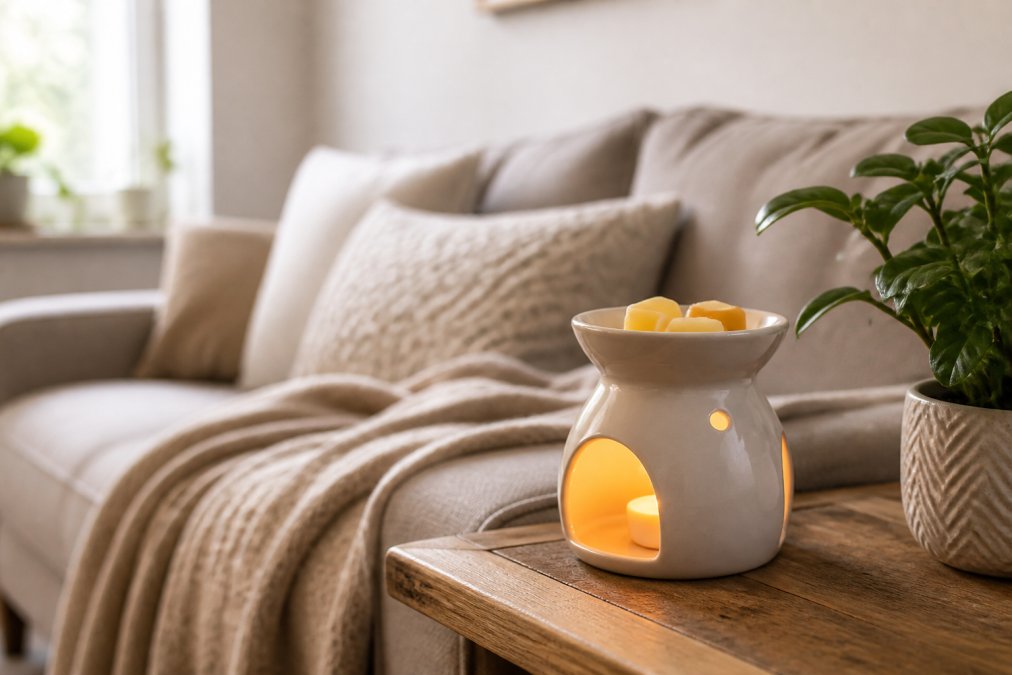
Fresh, clean scents work best in small apartments. These include:
- Fresh linen: reminiscent of clean laundry
- Eucalyptus and lavender: calming and spa-like
- Citrus notes: uplifting and energizing
- Light florals: subtle and sophisticated
Step 5: How to Use Wax Melts Safely in Your Space
Wax melts are a safe, effective way to add fragrance to your apartment. They produce no smoke and require no flame. Understanding proper use keeps them working at their best.

Step 6: Layer Scents for Lasting Freshness
Scent layering means combining complementary fragrances to create depth and complexity. This technique prevents scent fatigue, where you stop noticing a single fragrance after a while.
Step 7: Maintain Your Fresh-Smelling Apartment
Making your apartment smell better is a process, not a one-time fix. Maintenance keeps it fresh long-term.
Frequently Asked Questions
How do I know if wax melts will actually make my apartment smell better?
Wax melts work by releasing fragrance through gentle heat, filling your space with scent over 6-7 hours per cube. The key is choosing the right fragrance profile for your apartment size and addressing odor sources first, not just masking them. Handcrafted wax melts like those from Ruby Creek Wax Co. are designed with quality fragrance oils and essential oils that provide consistent scent throw.
What's the best way to use wax melts safely in a rental apartment?
Wax melts are renter-friendly because they require no open flame, don't damage walls, and leave no residue. Use them in a dedicated wax warmer placed on a heat-resistant surface away from pets, children, and drafts. Never leave a warmer unattended while in use. Ensure your warmer sits on a stable surface and keep it away from curtains and furniture. This approach is completely non-damaging and reversible.
How often should I refresh my wax melts to keep my apartment smelling fresh?
Most wax melts provide 6-7 hours of scent per cube. Refresh when fragrance fades, typically every 1-2 weeks depending on room size and ventilation. For small apartments, one cube may last several days if you use your warmer intermittently. Monitor scent intensity and replace cubes when you notice the aroma has weakened. Layering scents across different rooms also helps maintain overall freshness.
Can wax melts remove strong cooking odors, or do I need something else?
Wax melts work best when combined with proper ventilation and odor neutralization. For cooking odors, first eliminate the source by ventilating well, then use wax melts with citrus or fresh botanical notes to refresh the space. Handcrafted blends like Fresh Linen or Eucalyptus & Lavender mask lingering smells effectively, but they're most successful after you've cleared the air and cleaned surfaces where cooking odors cling.
Making your apartment smell better doesn't require expensive renovations or harsh chemicals. Start by cleaning thoroughly, improving air circulation, and then adding fragrance strategically. Ruby Creek Wax Co.'s handcrafted wax melts provide a safe, effective way to maintain that freshness. Their soy wax melts burn clean and long, giving you hours of subtle, sophisticated scent that transforms your space into a welcoming retreat.